


Updated May 21, 2026
When you’re on your period, you want the least amount of interruption to your schedule as possible. Repeated trips to the restroom to change your tampon can interrupt your work and take you out of social situations.
If you’re considering leaving a menstrual tampon in a little longer than you normally do, you should know there’s a risk associated with leaving it in too long.
We’ll talk about how long you can safely leave in a tampon, what can happen if you leave one in too long, and other options you have that let you feel more comfortable for longer periods.
Key Takeaways
- Aim to change your tampon every four to six hours, and never go past the eight-hour mark if you want to feel comfortable.
- Paying attention to sensory cues, such as an unusual scent or when skin feels irritated, can help you stay on top of your hygiene and comfort.
- Your flow changes throughout your period, so using a variety of period products like liners, pads, or a cup can help you feel balanced and supported no matter the day.
How Long Can You Leave a Tampon In?
For beginners, you might be wondering how to properly put in a tampon for the first time. Most tampons are designed to provide you with safe coverage for four to eight hours. While you may want to keep a tampon in a little longer than you normally do during a busy day, you should know there’s a risk associated with leaving it in for longer than eight hours. Why?
For starters, most tampons aren’t going to provide adequate coverage past the four to six-hour mark if you’re wearing the correct size. As your tampon fills, it expands to allow more flow to be absorbed. Once it has been completely filled, it will not provide a barrier against leaks.
The second reason you’ll want to remove your tampon as soon as possible is to reduce your risk of infection. When you leave a tampon in for too long, you can create a breeding ground for bacteria. This bacteria can lead to mild irritation of your vagina and vulva, or to a more serious infection like bacterial vaginosis.
What Happens If I Leave a Tampon In Too Long?
We get it—life gets busy, and sometimes it’s easy to forget about a tampon. So, what happens if you leave one in too long? Practicing good tampon safety is key, as leaving a tampon in for longer than the recommended eight hours may make you experience discomfort. Other common issues include shifts in your vaginal balance, which can lead to an unpleasant odor or sensitivity
If you’ve accidentally left your tampon for longer than usual, don’t panic. Remove it as soon as you remember, monitor how you feel, and if you notice any discomfort, unusual symptoms, or foul odors, reach out to your doctor. While it’s safe to wear a tampon during your daily activities, you might need to change your tampon if you start to feel any physical cues. For peace of mind, setting a timer on your phone can help if you want to change your tampon on a consistent schedule.
What About Toxic Shock Syndrome?
Raise your hand if you’ve ever been personally victimized by your older relative’s stories of toxic shock syndrome. Us too.
Although toxic shock syndrome (TSS) is a real issue, it is highly unlikely that you will develop it from a prolonged tampon. However, it’s important to know the signs and facts.
TSS isn’t caused by tampon usage. It is associated with a specific strain of Staphylococcus bacteria that exists on your skin and in your vagina naturally. Most of the time, this bacteria doesn’t cause any problems, but in rare cases, the bacteria can overgrow and release toxins that may make you sick.
While it is unlikely you’ll get TSS, you can take a supportive approach to your cycle by:
- Using the lowest absorbency tampon possible.
- Changing your tampon every 4-6 hours.
- Switching between other forms of period products, like pads or a menstrual cup.
If you accidentally leave a tampon in too long, you’ll most likely be just fine. But it is always good to be aware of any unusual symptoms.
Tampon Hygiene
No one wants to deal with a bacterial infection or risk a leak, and if you use tampons properly can help maintain a refreshed feeling.
Here’s our quick guide to tampon usage that will tell you everything you need to know about using them the right way.
1. Pick the Right Kind
You might be surprised to learn that some tampons can contain ingredients that may not be ideal for your body. Since you might keep a box in your cabinet for a while, you may wonder, “Do tampons expire?” Generally, they have a shelf life of about five years, but using sustainable options is always best.
At Rael, we think people have the right to gentle period care that is designed with your comfort in mind.
We make our organic tampons from cotton without:
- Added Dyes
- Added Fragrances
- Added BPA’s
- Harsh Chemicals
- Chlorine bleach
We think you should get more than just great protection with your period care products; you should get peace of mind.
2. Pick the Right Absorbency
One size never fits all when it comes to period protection, and when you’re selecting tampons, it is always a good idea to have a few different sizes on hand.
You’ll know you have the correct size when your tampon lasts for at least two hours and is easily removed. If your tampon feels uncomfortable when you try to remove it, you’re probably using an absorbency that is too high for your menstrual flow.
If you’re experiencing leaks after only an hour of wear, you’ll need a larger size for that day.
Keep in mind that your menstrual flow will change during your period, and the same tampon size that works the first day may not be the right fit on the last day of your period.
3. Know When to Change
Sometimes it’s easy to tell when it’s time to change your tampon, but sometimes it’s easy to forget about them (especially on light days).
Make sure you change your tampon every four to six hours, even on light days. If you decide to wear a tampon overnight, don’t keep it in for more than eight hours. We recommend using an alternate form of period care, like period underwear, for overnight protection. When you do head to the bathroom to switch products, remember to dispose of them in the trash, as people often ask, “Can you flush tampons?” Doing so can cause major plumbing issues.
4. Use Proper Vulvar Care Items
No matter how well you plan, sometimes your period may cause discomfort in your most sensitive areas.
Rael has solutions that work without harsh ingredients that could contribute to that feeling. Our vulva care products help soothe the feel of your skin, keep you feeling confident, and put you back in the middle of your life with zero downtime.
Natural, botanical extracts help gently cleanse and moisturize to support a comfortable feel, no matter what time of the month you experience sensitivity.
5. Use Other Methods of Period Care
If you’re a tampon purist, you might not know about the most recent options in period care. There’s more available to you than simply a sanitary pad and tampon, and using other methods of period care along with your tampons can help ensure you aren’t wearing tampons longer than you should.
Can You Swim With a Tampon In?
Yes! One of the best things about tampons is their convenience during swimming. You can swim with a tampon in without worrying about leaks. Just make sure to use the right absorbency for your flow and change your tampon right after you finish swimming. Water won’t affect how your tampon works, but it’s a good idea to swap it out for a fresh one after being in the pool or ocean.
And no, tampons don’t fall out while swimming—your vaginal muscles keep them securely in place. If you feel any discomfort or leaking, it’s probably time to change your tampon for a fresh one.
Can I Pee With a Tampon In?
Absolutely! Your vagina and urethra (where pee comes out) are separate openings, so you don’t need to remove your tampon to pee. However, if you notice the string getting wet, you can gently hold it to the side or tuck it into your labia while you pee to keep it dry. If it does get wet, don’t worry, you can change your tampon if you feel uncomfortable.
When Should I Avoid Using a Tampon?
Tampons are great, but there are times when you might want to switch to a different period product. For example, if you’ve recently had surgery or given birth, it’s best to avoid using tampons until your doctor gives you the green light. Similarly, if you’re experiencing discomfort from a vaginal infection, such as a yeast infection, it’s better to use pads or period underwear until you feel like yourself again. In these cases, tampons can trap moisture, which could be uncomfortable. Always listen to your body and consult with your healthcare provider if you’re unsure.
Period Care Options That Work
You’ve got options, and you should know what they are and how they work. Switching up your coverage options isn’t just a good idea for making sure you don’t leave a tampon in too long; it can also give you coverage that is more effective for you during certain times, like overnight.
1. Pads
If you don’t like using a menstrual pad, we’re guessing you haven’t worn one in a while. Pads have come a long way, and they’re super absorbent without being bulky. Rael’s organic cotton cover pads offer superior protection in the form of organic cotton designed to be gentle on your skin.
We also offer reusable pads, which are a great option for keeping you dry and reducing your carbon footprint. Our reusable pads mean you always have period care items on hand, no matter when you start.
2. Liners
You may have tried pantyliners in the past, but our liners are designed to be ultra protective. Unlike some liners which can seem non-absorbent, our panty liners are made with organic cotton and designed to be ultra-thin. You’ll hardly feel them.
Just like our pads, we offer a reusable option that can help you take a more sustainable approach while caring for your body. Caring for yourself and Mother Earth at the same time? That’s a win/win.
3. Period Panties
You’ve heard about them, but haven’t really considered them. Period panties are panties with an absorbent layer of fabric to help contain your flow. Period panties work great for lighter days or for wearing overnight for added protection.
Rael’s period panties fit just like your regular intimates, are super comfortable, and are as absorbent as three tampons. Trust us, you’ll probably end up wearing them all month long.
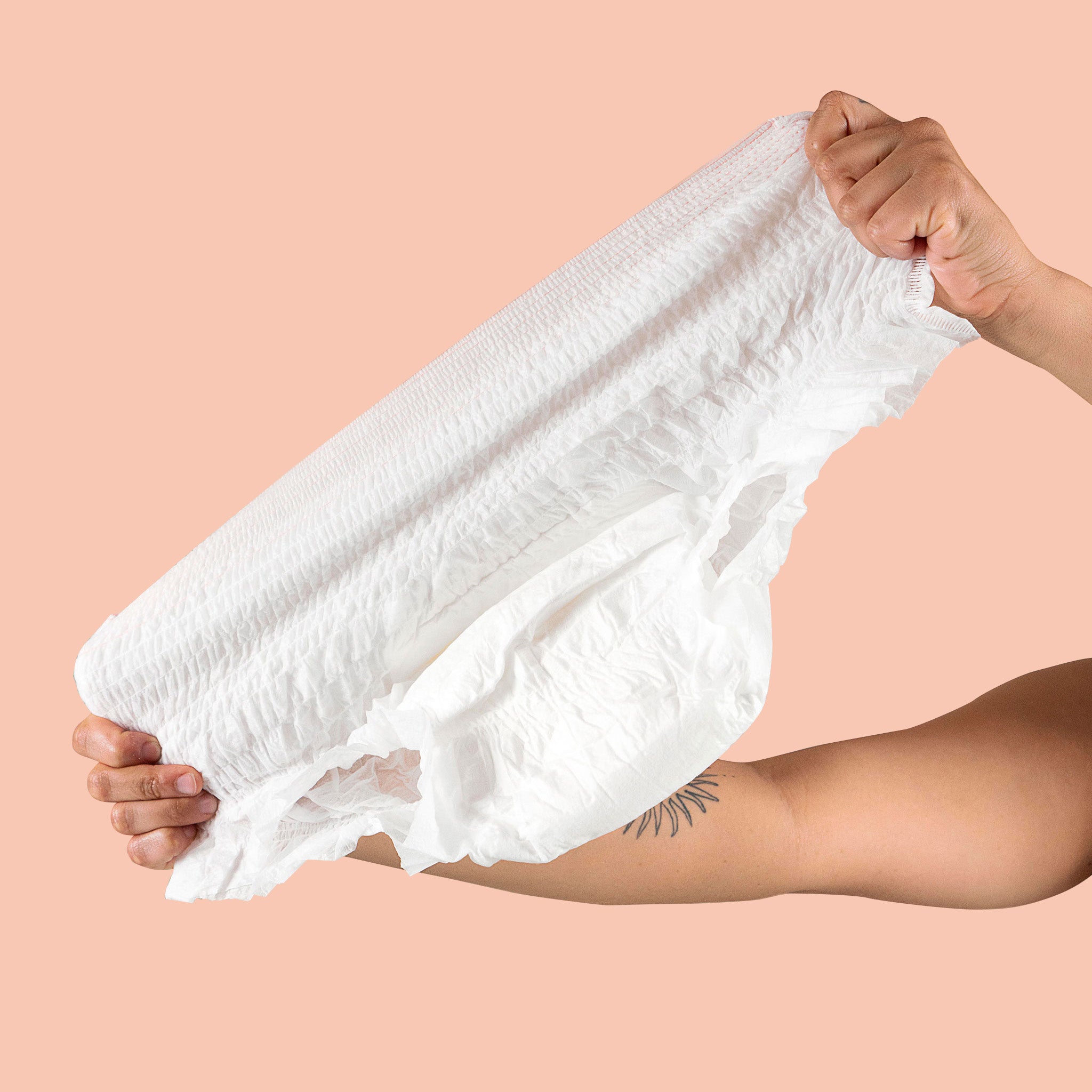
If you’re more of a disposable period product person, our disposable, cotton-blend period underwear is the perfect fit. A growing trend in Korea, disposable period underwear combines an overnight pad with period underwear for reliable overnight protection and comfort.
4. Menstrual Cup
If you find it difficult to change tampons in a timely manner, we suggest a menstrual cup. The reusable menstrual cup is a small silicone cup you insert in your vagina to handle your flow. It’s easy to use, completely leak-resistant, and can be worn up to 12 hours at a time.
The cup can also be reused monthly, making it cost-effective. It’s a game-changing form of period care for people who want to minimize the time they spend changing their period product.
Intimidated about using one? We’ve got you covered. You can learn how to use a menstrual cup easily and effectively.
How to Choose the Right Tampon for Your Flow
Selecting the right absorbency can help you stay comfortable and leak-free. Since one size definitely doesn’t fit all, here is a quick guide to help you find your perfect match:
- Start low and go slow: A supportive approach is to always use the lowest absorbency level that manages your flow effectively.
- The "Tug Test": You’ll know you’ve found a comfortable fit if your tampon is easy to remove after four to six hours. If it feels a bit "stuck" or uncomfortable when you try to pull it out, try switching to a lighter absorbency next time.
- Keep up with your cycle: Your flow is likely heavier at the start of your period and lighter toward the end. Keeping a variety of sizes in your bag ensures you have the right level of coverage for every stage of your cycle, helping you feel refreshed and confident all day long
Final Thoughts
You should always make sure you change your tampon every four to six hours and never wear a tampon longer than eight hours at a time. It’s a great idea to change up your period care items, and Rael offers holistic period products that keep you covered throughout your period.
Sources:
- Mayo Clinic. Toxic shock syndrome. https://www.mayoclinic.org/diseases-conditions/toxic-shock-syndrome/symptoms-causes/syc-20355384. Accessed on April 30, 2026.
- Mayo Clinic. Bacterial vaginosis. https://www.mayoclinic.org/diseases-conditions/bacterial-vaginosis/symptoms-causes/syc-20352279. Accessed on April 30, 2026.
- Wen. New tampon testing reveals undisclosed carcinogens and reproductive toxins. https://www.wen.org.uk/2018/06/07/new-tampon-testing-reveals-undisclosed-carcinogens-and-reproductive-toxins/. Accessed on April 30, 2026.
